01 — INTERNATIONAL INFLUENCE
How Bauhaus ideas traveled beyond Germany
Following the school's closure in 1933, former faculty and students carried Bauhaus principles to other countries. Through teaching, architecture, and new institutions, they helped establish its influence internationally.
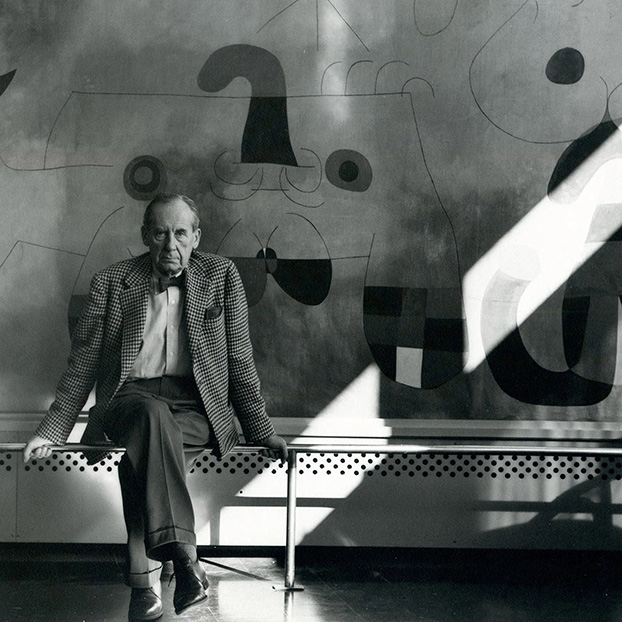
Harvard University, USA
Walter Gropius and Marcel Breuer brought Bauhaus ideas into architectural education in the United States.
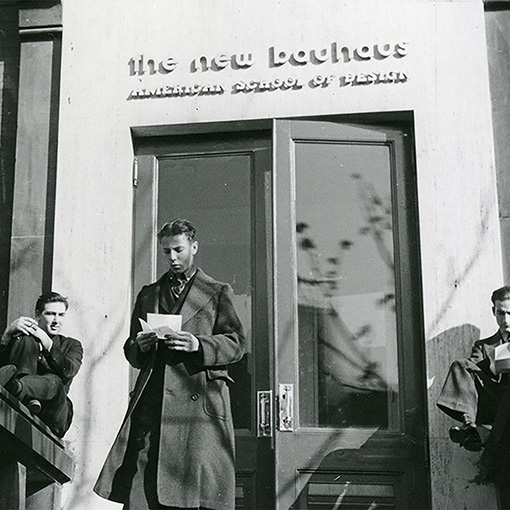
New Bauhaus, Chicago (1937)
László Moholy-Nagy founded a new school that continued the Bauhaus's interdisciplinary approach.
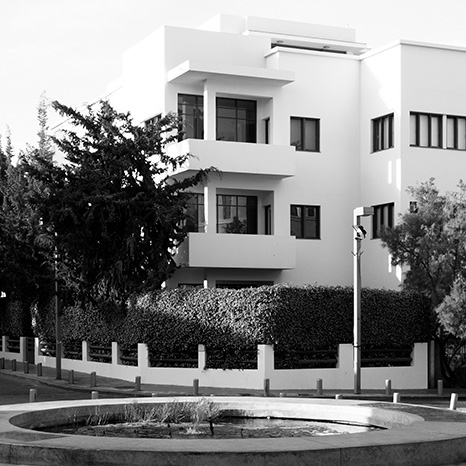
White City, Tel Aviv
More than 4,000 modernist buildings reflected Bauhaus and International Style influences. The area became a UNESCO World Heritage Site in 2003.
02 — DESIGN & EDUCATION
A new way of teaching and making
The Bauhaus connected artistic exploration with practical production, changing how design was taught and practiced. Its emphasis on experimentation, functionality, and interdisciplinary learning influenced generations of designers.
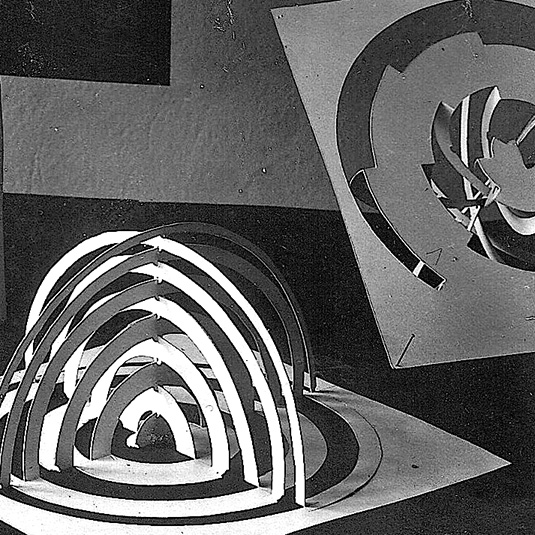
The Vorkurs
The preliminary course introduced students to color, form, materials, and composition through hands-on experimentation.
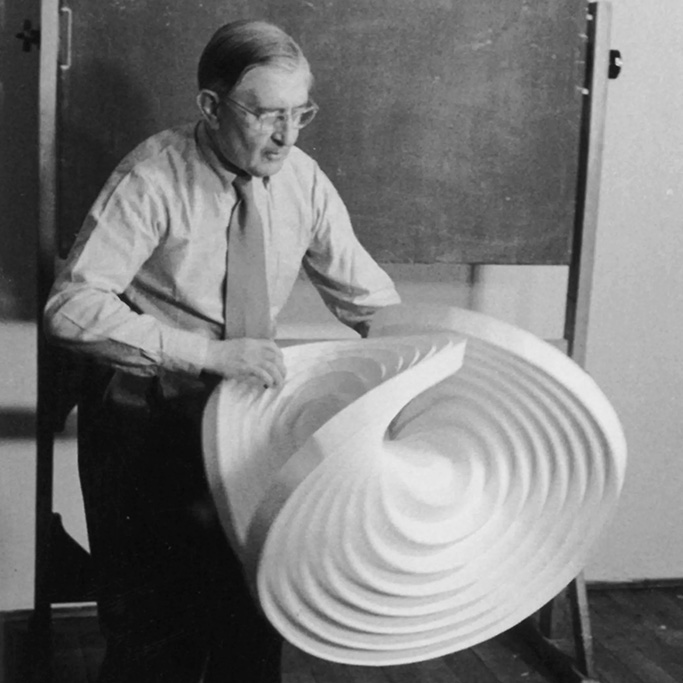
Ulm School of Design (1953)
Founded in Germany, the school continued the Bauhaus tradition of connecting design theory with technology and practical application.
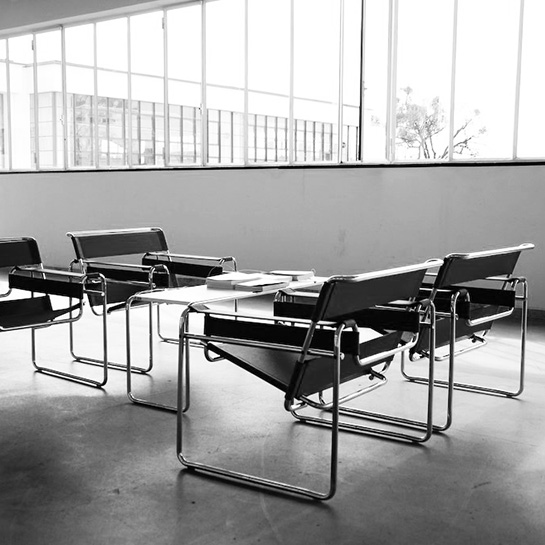
Marcel Breuer's Furniture
The Wassily and Cantilever chairs demonstrated how industrial materials could be used to create functional, modern furniture.
03 — CONTEMPORARY INFLUENCE
Principles that continue to evolve
Although the Bauhaus closed in 1933, its ideas remain relevant to contemporary design. Its emphasis on functionality, collaboration, and the relationship between art and technology continues to inform design practices today.
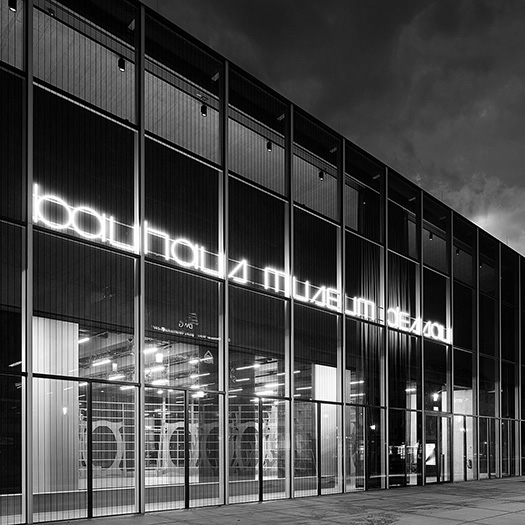
Bauhaus Centenary (2019)
International exhibitions and celebrations marked 100 years since the school's founding.

New European Bauhaus (2020)
A European Commission initiative connecting design with sustainability, inclusivity, and quality of life.
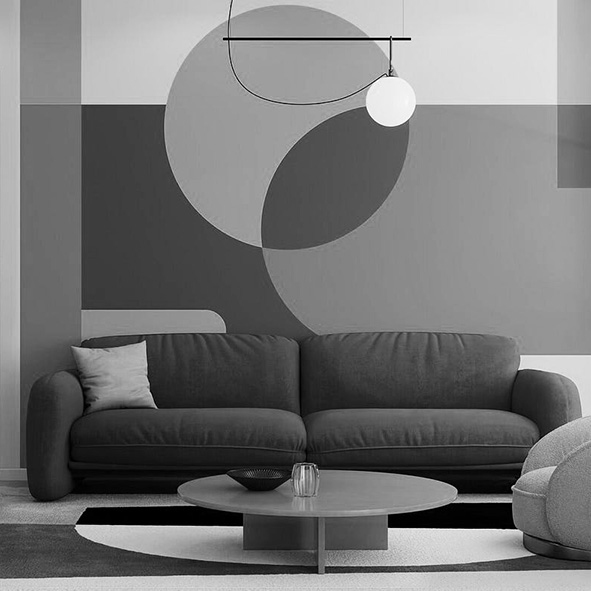
Contemporary Design
Bauhaus principles continue to appear in architecture, furniture, typography, and visual communication.